Looking after your senior cat (11 – 14 years)
Senior cats are at an age when health conditions associated with later life can take hold. We can work in partnership with you to keep your cat happy and comfortable for longer. Many age-related conditions are treatable so don’t simply put any changes in your cat down to ‘old age’ and ignore them! Early medical intervention and treatment is an important part of looking after your senior cat and can ultimately reduce veterinary costs rather than increasing them.
Problems such as a hyperactive thyroid (hyperthyroidism), high blood pressure, kidney disease, diabetes and cancer are more likely to occur at this stage. Cats can also suffer from the equivalent of senile dementia, although signs can be confused with other diseases, so it is important to establish a proper diagnosis. Older cats with failing kidneys may not drink sufficiently and can become dehydrated and constipated. They may spend less time grooming, leading to coat and skin problems or brittle overgrown claws, and may eat less because their sense of smell is not so acute, or they have teeth or gum problems. Arthritis is also common in the senior group.
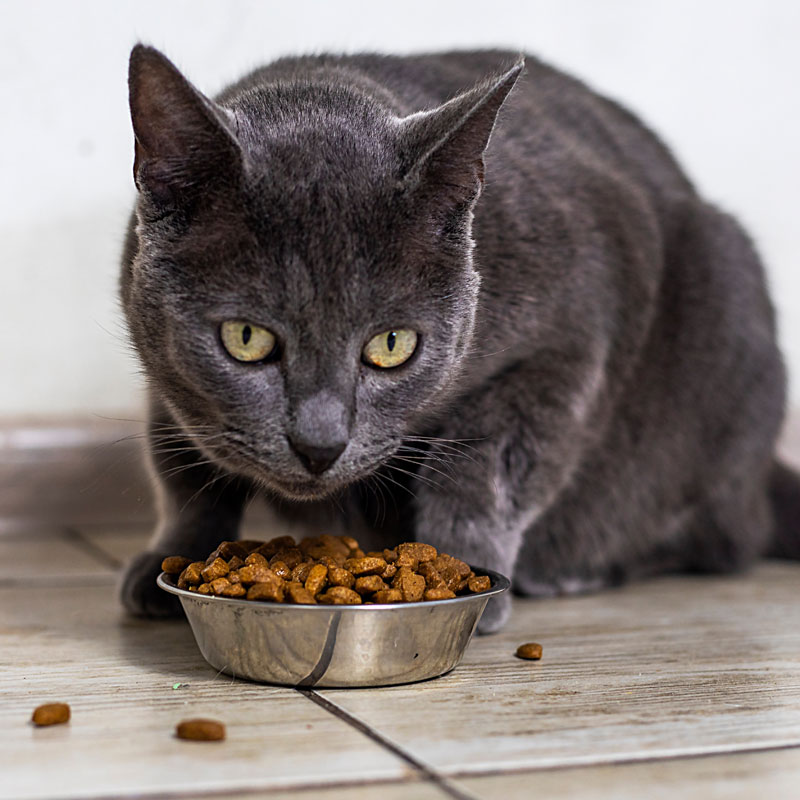
Feeding and weight
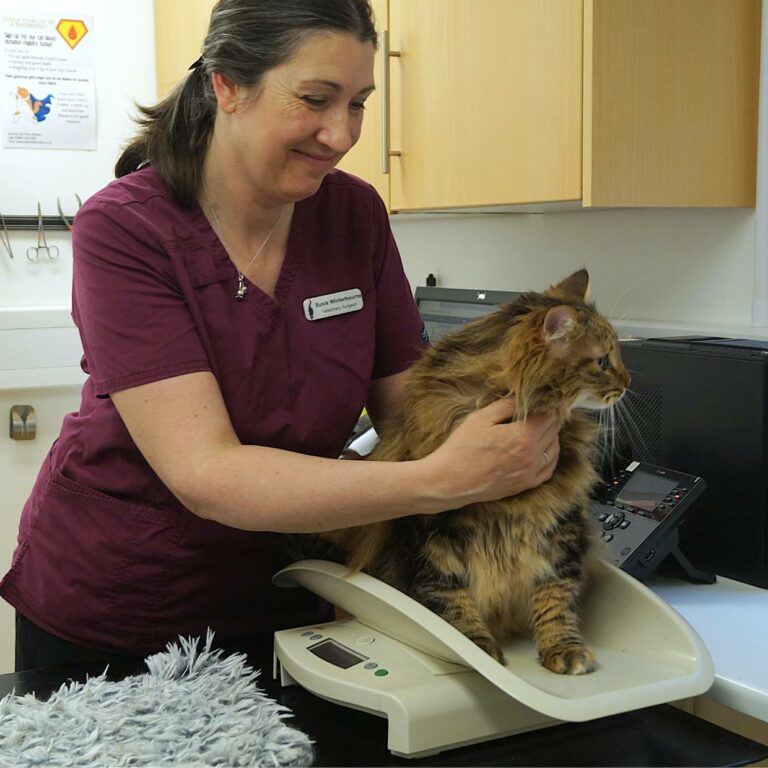
Up to this point, you may have been concerned with your cat not putting on weight, and it’s true that in the early senior years obesity can peak. However, as your cat gets older, weight loss can be more of a concern. Regular weight checks with body condition score evaluation (a scale of 1 – 0 where 1 is most underweight, 9 is most overweight and 5 is just right) will help to pick up any problems early. You should be feeding your cat a complete food suitable for senior cats at this point, to help with their digestion.

Vaccinations
Keeping up with vaccinations is an important part of looking after your senior cat, as they continue to protect them against many serious viral infections – and your cat’s ability to fight these off reduces as they get older. Your cat should receive booster vaccinations at intervals recommended on your vet. If you intend to board them in a cattery, you’ll need to provide evidence of certain annual vaccinations. And if you have cat insurance, regular vaccinations are often a statutory requirement.
Worm and flea treatment
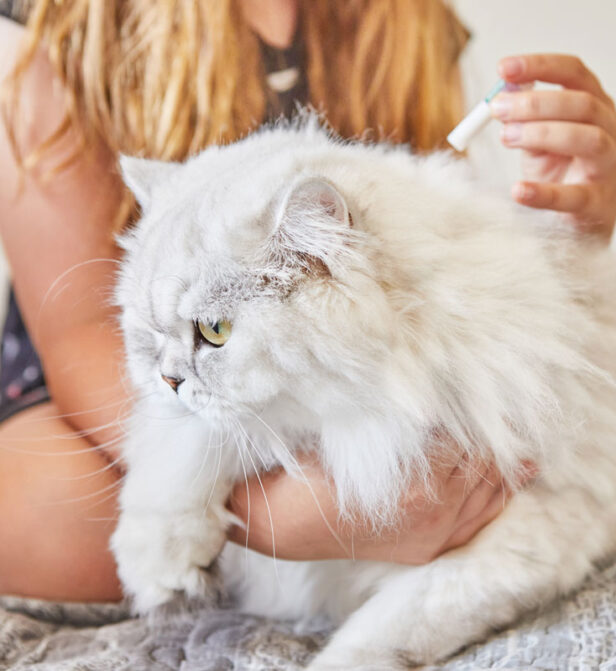
All cats should be treated regularly for fleas – these can transmit disease and cause irritation to cats and their owners. If left untreated, your home may become infested. Clearing such an infestation can take many months once the fleas start breeding. Your vet will advise if you need to treat your cat for ticks dependent on the area you live and your cat’s lifestyle. Your cat should also be treated for roundworms and tapeworms regularly – how often will be determined by your vet, but usually between every three months and every month. Like fleas, worms can spread disease and make your cat feel unwell.
A risk assessment is really important when determining what flea and worm products your cat should be receiving. Without you can easily be under or even over treating. Over treating can be damaging to both the environment and your pocket!
Looking after your cat’s teeth
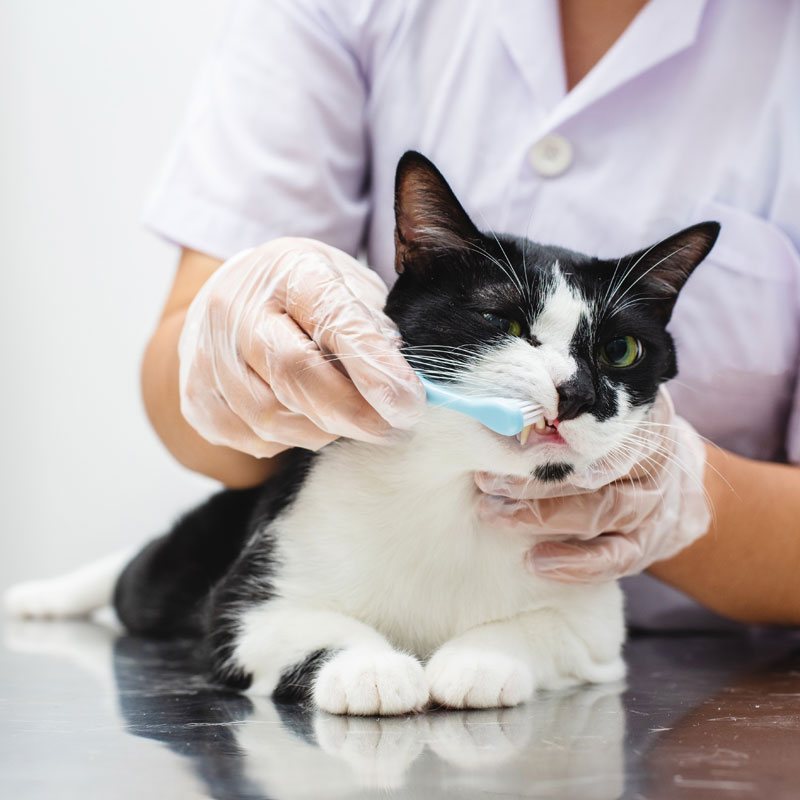
The older your cat, the more likely they are to suffer from dental problems, as a lifetime’s build-up of plaque leads to disease and pain. The best way to avoid this is to brush your cat’s teeth regularly – however the best time to begin this is when they are a kitten, but many cats accept this at later life stages. If your cat is refusing food, or begins to eat and then stops, you should get their teeth checked for decay and disease.
Blood pressure checks
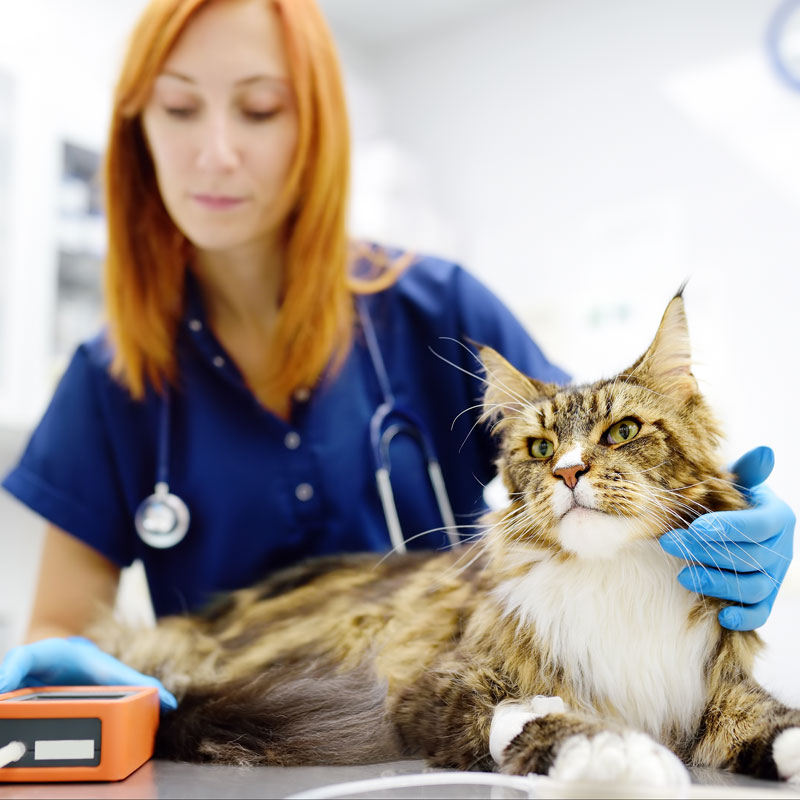
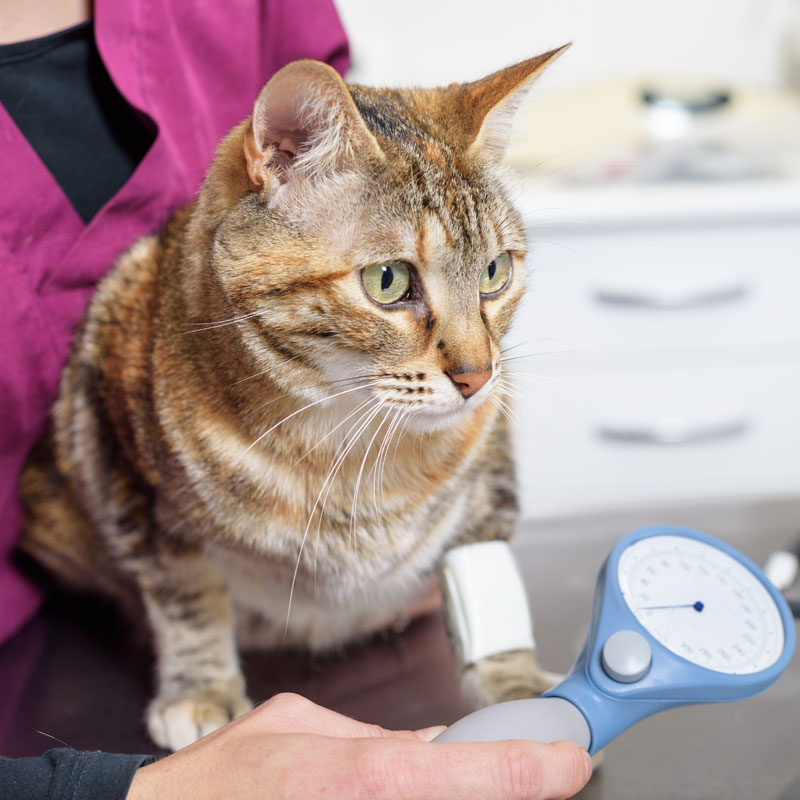
Like us, cats can suffer from high blood pressure (hypertension) as they age. Left untreated it can cause damage to the eyes, kidneys, heart and brain. It’s easy to take your cat’s blood pressure – an inflatable cuff is placed around their leg or tail, very similar to the human procedure on the arm. We recommend taking your senior cat’s blood pressure at least once per year.
Blood and urine testing
Routine blood and urine testing is a good way detecting early signs of health problems that are relatively common in older cats, such as kidney disease, liver disease and diabetes. We recommend routine twice annual testing for your senior cat. It is easier than you might think to collect urine from your cat, and your vet will show you how to do this.
How we can help you support your senior cat
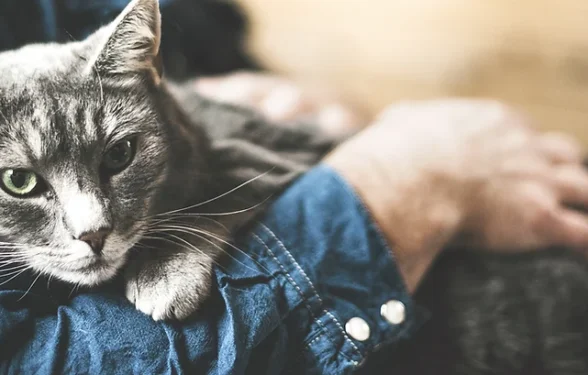
If you’re worried that your cat is ill or their behaviour has changed, then you can book an appointment with one of our specialist vets. With older cats, preventative care is crucial, and we run a ‘Silver Tails’ clinic to check the health of your senior or super senior cat. The first step is to register your cat with us, and you can do this below.
Special Services for Senior Cats
We also provide cat-focused dental care, vaccinations, flea and worm treatment and six-monthly check-ups. These can be booked individually, or as part of the Cat’s Whiskers Health Plan. The plan covers most regular treatments and gives you 10% off all other drugs and spreads the cost of your cat’s care over easy to manage monthly payments. Your senior cat may also benefit from our other nurse-led clinics, including:
If you have any questions or concerns about looking after your senior cat, feel free to call us to speak with one of the team.
01865 243000 (Botley Clinic) | 01865 950700 (Marston Clinic)

Do you worry about what you are feeding your cat? Feeding too much? Feeding to little? Should they eat we or dry food? Whatever your concern our team are here to help.
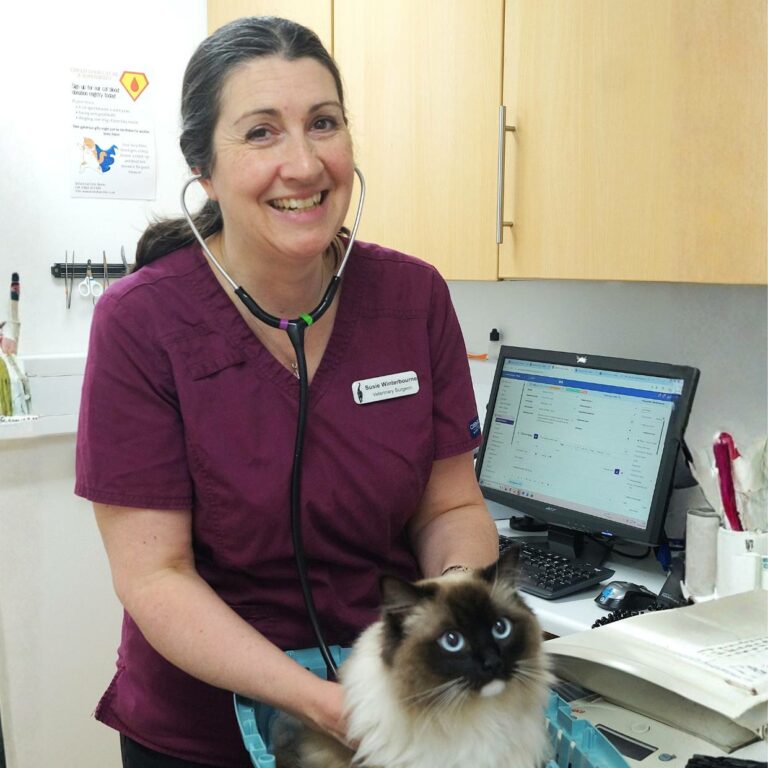
For as little as £12.50 per month, the health plan includes core vaccinations, flea and worm treatments, 6 monthly wellness reviews, plus 10% off certain foods, extended consultations dental products and new to the scheme 10% off all drugs!

Has your cat been seen by a member of our veterinary team and diagnosed with a urinary issue? As part of their treatment plan your vet may have recommended that you have a follow up assessment with our qualified nursing team at a urinary wellness clinic.
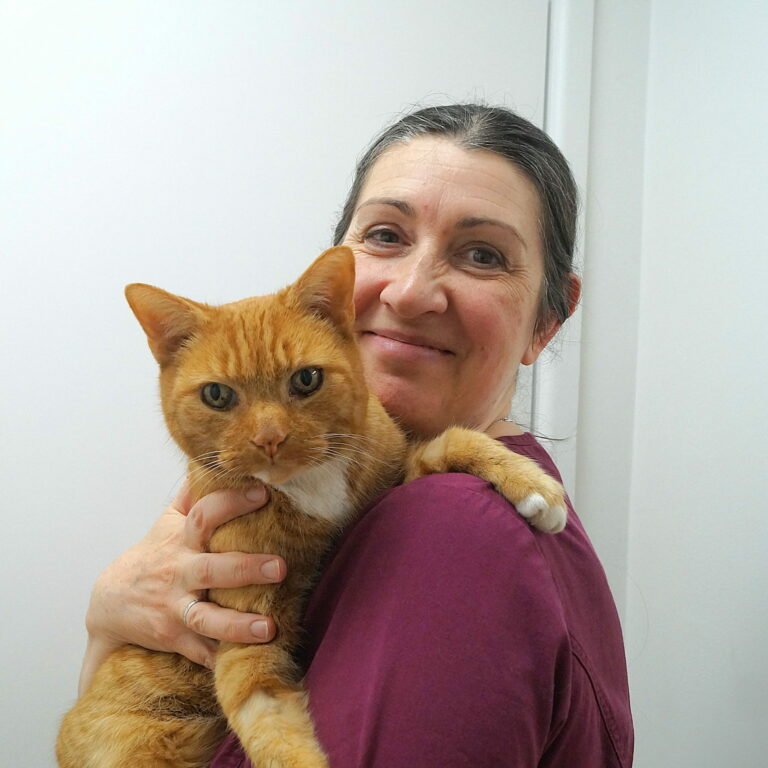
When your cat is diagnosed with kidney disease you are sure to have a lot of questions. Supporting a cat with a long term medical condition can be daunting, scary even. Don’t worry, we are here to work alongside you.

When your cat is diagnosed with diabetes you are sure to have a lot of questions. Supporting a cat with a long term medical condition can be daunting, scary even. Don’t worry, we are here to work alongside you.
Do you worry about what you are feeding your cat? Feeding too much? Feeding to little? Should they eat we or dry food? Whatever your concern our team are here to help.
Need to see a vet in Oxford?
If your cat is ill, or you are concerned that they are just not quite right, then book to see one of our cat-specialist vets. If you’re not registered with us, then you can register here or give us a ring on 01865 243000.
Advice for looking after your feline friend

Dental disease is extremely common in cats and can start to appear when your cat is about three years old. If left unchecked, it can progress as dental plaque and tartar continue to build up over time.

Christmas can be an exciting time for your feline friend, but all the bright lights, presents and enticing new foods can be a danger to your cat.

Keeping your cat cool Keeping your cat cool inside your home is important too. Place fans around the house to keep the air circulating, remembering not to point the fan directly at your cat. Another handy tip is to freeze a bottle of water, wrap it in a towel or pillowcase and place it somewhere…

Did you know that your kitten can become pregnant from 14-16 weeks onwards, when she herself is just a kitten? Cats can have 3 or 4 litters per year, which can be as many as 20 kittens for each unneutered female per year. This means that shelters and charities are inundated with unwanted kittens in…

ALERT – Update Friday 18th June 2021 You may have heard reports about a spike in cases of feline pancytopaenia over recent weeks. Pancytopaenia, a sometimes fatal condition marked by low numbers of red blood cells, white blood cells, and platelets, usually indicates an underlying cause, such as exposure to a bone marrow suppressing drug…

Although many people will be travelling less currently, we thought it was important that we kept you up to date with changes to travel with Brexit. From the 1st of January 2021 things will be slightly different. The Pet Passport will no longer be valid however please KEEP your old ones for proof of Rabies…
What people say about Oxford Cat Clinic

A great cat clinic. For 3 years, we’ve been visiting Dr. Lauren Demos for annual check ups, including blood tests. We also went to the…
read more

“My cat is so much happier here than at veterinary practices that have dogs in the waiting room! And at other places I’ve been in…
read more

“We are so happy and astounded by the service of the Oxford Cat Clinic. After previously being registered with a popular vet chain that had…
read more

“I cannot fault The Cat Clinic they are absolutely wonderful and since I found them many years ago I wouldn’t dream of going anywhere else.…
read more

“The receptionist was very helpful and got my cat a much-needed appointment within the hour. Very clear on instruction on what was going to happen…
read more

“We haven’t looked back since switching to this vets. They are caring and knowledgeable, taking the time to make visits as stress free as possible…
read more

Thank you to the Oxford Cat Clinic vets!!!! Thanks to the vets and nurses, our little Lipa is alive today. I am so glad we…
read more

“I recently adopted my first cat and called the Botley Cat Clinic to express my concerns. The staff are extremely friendly, polite, listened carefully to…
read more