Melanie Weatherall
Director and Owner

An Animal Health Certificate (AHC) is required for all pet dogs, cats and ferrets owned by GB residents travelling from the UK to or through the EU. See https://www.gov.uk/government/news/new-eu-rules-for-pet-travel-for-gb-residents for further information.
An AHC is not required for:
A pet travelling from England, Scotland or Wales to Northern Ireland does not require an Animal Health Certificate unless they are travelling on to the EU. These pets require a Northern Ireland Pet Travel Document (PTD), which owners can apply for online for free and are valid for life. See https://www.gov.uk/apply-for-northern-ireland-pet-travel-document to apply.
A certificate completed by a government-approved official veterinarian (OV) certifying that a pet dog, cat or ferret has been administered a Rabies vaccination by a veterinary surgeon and their microchip was scanned at the time of administration for identification purposes.
An AHC Is not:
2. Cats with a valid original (copies not accepted) Rabies vaccination certificate including:
3. Cats with a valid microchip
£329.00 for first cat. £99.00 for each additional cat under same pet owner (maximum 5 cats altogether).
If a cat has been booked for an AHC appointment but is not eligible, you will still be charged £133.00 to cover the extended consultation fee. Cat owners are responsible for ensuring their pet meets the requirements for an AHC. If you would like veterinary advice on whether your cat is eligible for an AHC, you may book in for a consultation (£67.00) or phone consultation (£60.00) prior to booking the AHC appointment (ideally several weeks before travel). Please note, we cannot provide advice without the original Rabies vaccination certificate or previous clinical history (ideally both). If your cat is not eligible, they may not be able to travel.
A microchip is £36.00 and will only need to be implanted once. A rabies vaccination costs £77.00 – this will need to be repeated according to the manufacturer’s recommendation to allow continual travel.
The EU Regulation requires pets to be at least 12 weeks old when vaccinated. Whilst some EU countries will allow young, unvaccinated pets to travel (subject to certain conditions) the UK does not permit this. This means no pet can enter the UK unless they are 15 weeks old (12 weeks and 21-day wait).
The owner, as named on the pet’s clinical record and the animal health certificate. The owner must be aged over 16. Pets must be accompanied either by their owner or by a person authorised in writing by the owner.
The owner or authorised person can only be accompanied by a maximum of five pets. You cannot take more than 5 pets to an EU country unless you are attending or training for a competition, show or sporting event. In this case you will need written evidence of registration for the event when you travel.
An AHC can only be issued by a government approved official veterinarian (OV).
Please call us to book your appointment so that we can book you with an appropriate vet for a 40-minute slot to allow adequate time to process the paperwork. You can call us on 01865 243000 (Botley) or 01865 950700 (Marston).
You may receive an email with a link to provide further details for the purposes of the AHC appointment. Please complete these details as soon as possible to allow for a smooth and efficient appointment. This link will not be sent if we have insufficient information for you on file.
You (the registered cat owner) must attend the appointment, even if you are not travelling with your cat, as you are required to sign the animal health certificate. You must be the named on the cats account with us and the Rabies certificate.
AHCs are valid for travel within the EU for up to 6 months but allow only one exit and re-entry into the UK. Once your cat re-enters the UK, their AHC expires and they will require a new AHC for any subsequent trips.
If you are re-entering the UK after >6 months abroad, you must obtain a Great Britain Pet Health Certificate. This certificate is valid for re-entry within 10 days of being issued.
All dogs require tapeworm treatment to re-enter the UK, within 24-120 hours of their scheduled arrival.
An Export Health Certificate (EHC) is needed to travel with your cat outside of the EU and NI. You will also need to complete an export application form (EXA) if you are in England, Scotland or Wales.
Depending on the country additional documentation or blood samples may be required. Please see https://www.gov.uk/taking-your-pet-abroad/travelling-to-a-noneu-country for government guidelines on which countries this is applicable to.
The process varies slightly depending on your destination and origin. Please follow the guidelines on https://www.gov.uk/export-health-certificates.
Depending on your destination, you may need to nominate an official vet who will be sent the EHC to check the paperwork. Additionally, each country has its own set of restrictions and requirements that must be adhered to – please ensure that you are compliant with all these requirements. Please contact the embassy of your destination country for a full list of requirements for travelling with your cat.
Please be aware that our staff will help you in any way that we can, but we are not familiar with the requirements for travel to every country, especially as these may change over time. It is therefore your responsibility to let our vets know exactly what you require when you are travelling with your cat. We can accept no liability for delayed travel if you do not provide us with the correct information required for your travel circumstances.
Please check with the airline well in advance to find out how your cat may travel. The airline can direct you regarding specific guidelines for cat carrier dimensions and size. They will also provide instructions for required health records including vaccinations, health certificates, and more. Make your flight reservations for you and your cat as early as possible since airlines may restrict the number of cats allowed to fly. If possible, book non-stop flights with as few transfers and shorter layovers as possible to minimise the stress for you and your cat.
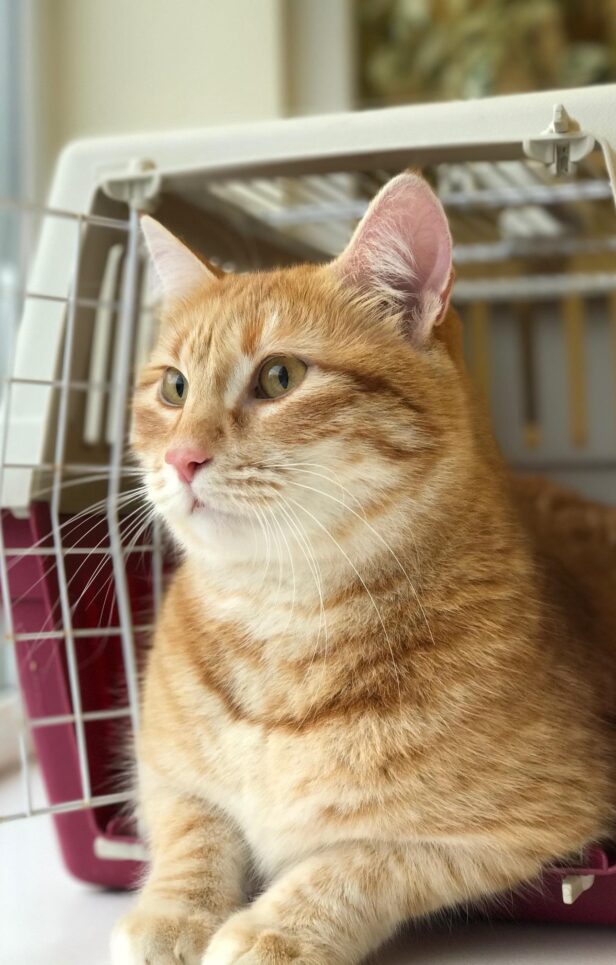
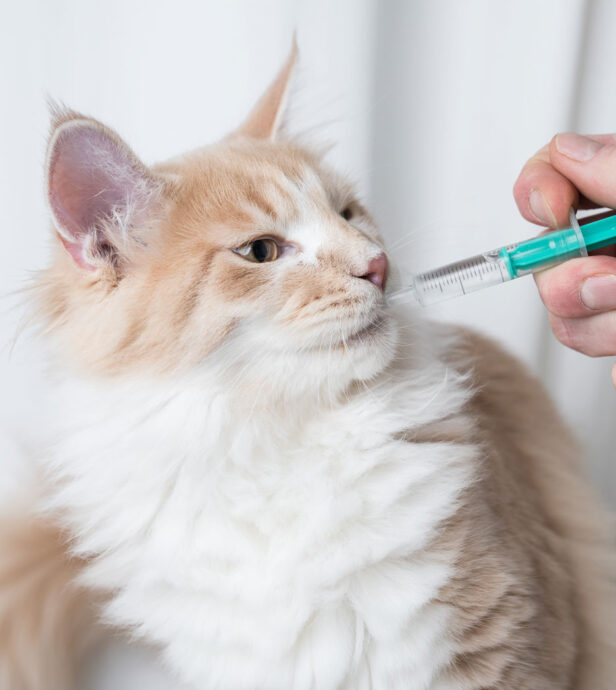
Discuss with our vets if anti-anxiety and/or nausea medication is needed for your cat. You may want to give a dose prescribed by your vet ahead of your trip as a “trial dose” to make sure the medication has the desired effect. All pets react differently, and some may be more sedated, or some may become excited. It helps to determine the reaction before the day of travel to minimise stress on your cat and you.
Talk to your vet about any unexpected reactions before changing the dose as directed on the prescription label. If prescribed, give your cat their initial nausea and anxiety medication at least 1 hour before you leave your home. Our pets often know when we’re leaving, especially when we get our suitcases out, so chances are, your cat already knows something is happening on the day of travel.


A great cat clinic. For 3 years, we’ve been visiting Dr. Lauren Demos for annual check ups, including blood tests. We also went to the…
read more

“Their love for, and knowledge of, cats is quite extraordinary but so is their sensitivity towards the owners. Last week was a nightmare for me as…
read more

“I cannot fault The Cat Clinic they are absolutely wonderful and since I found them many years ago I wouldn’t dream of going anywhere else.…
read more

“My cat is so much happier here than at veterinary practices that have dogs in the waiting room! And at other places I’ve been in…
read more
If your cat is ill, or you are concerned that they are just not quite right, or it is simply time for their annual vaccination review then book to see one of our cat-specialist vets. If you’re not registered with us, then you can register here or give us a ring on 01865 243000 (Botley) or 01865 950700 (Marston).